

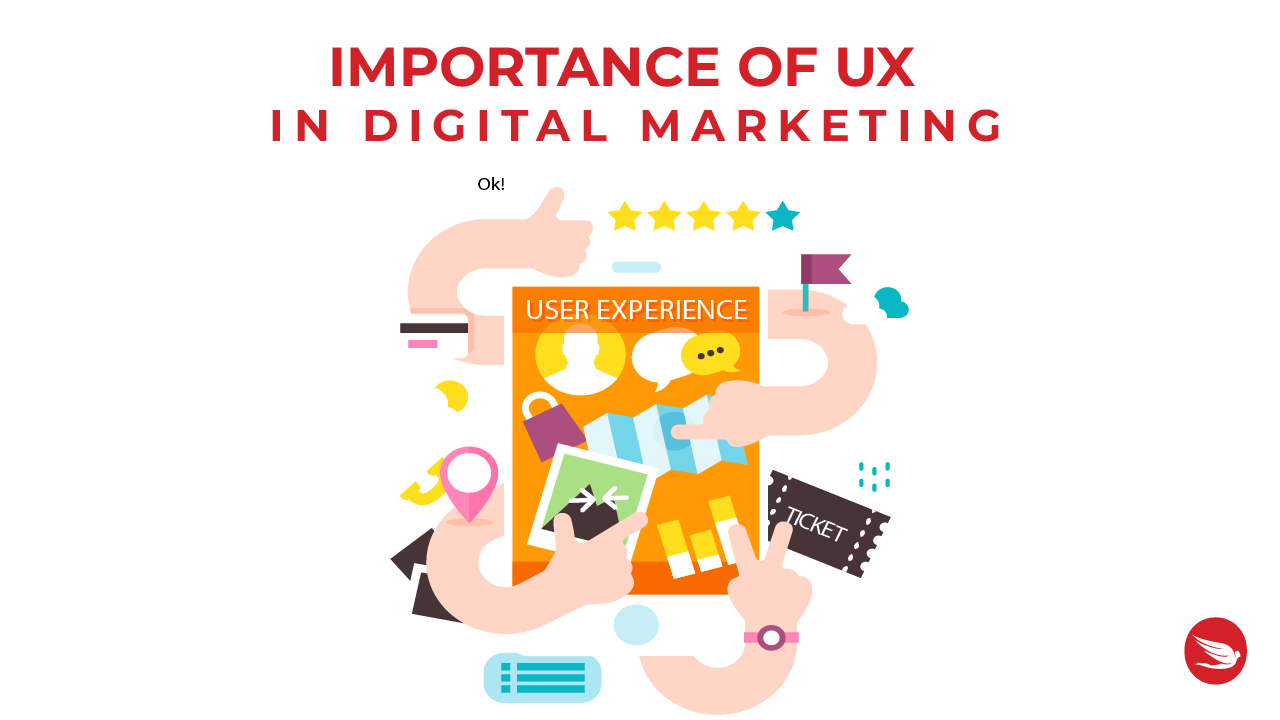
Power of UX Design in Digital Marketing
UX Design is one of the subjects a marketer can’t ignore because it has deep roots in online brands. According to Econsultancy, ’88 % of online consumers are less likely to return to a site after a bad experience,’ This explains why brands invest big in UX design. Once you frustrate a user, they probably never get back again. As a result, this impacts the profit margins.
Developing engaging customer-centric brands is a fundamental marketing challenge, and often the customer perspective is different from how organizations think they are performing in this area. According to research by Bain and Co., while 80 percent of brands claimed to offer a “superior experience,” customers say that only 8 percent of companies deliver a “superior experience. There are several crucial factors to consider when strategizing, identifying, and creating a user experience that maximizes your marketing efforts:
- User Interface
- Speed
- Mobile Experience
- SEO Rankings
Read more about the Power of UX in Digital Marketing
Digital marketing: how to make decisions based on your UX research
The product & marketing manager can use facts based on UX research to create digital marketing strategies to target the right audience at the right time and place. Before we jump into the topic, it is crucial to know the difference between UX research and market research.
Market research uncovers customer segments and customer opinions, whereas UX research focuses on the observed behavior of the users. This complementary relationship means that there should be many opportunities to work closely with marketing people. Products/services generally go through a life cycle with predictable sales and profits. Research occurs across three phases of product development — pre-design (Introduction), construction (growth), and post-development (Maturity). In any stage of product development, motivate all research activities with a specific research goal. Specific research goals focus on
- Defining or refining a problem statement
- Identifying and understanding a target market
- Specifying the scope of initial product releases
Read more about the difference between UX Research and Market Research
Top 20 Digital Marketing tools
In marketing, digital evolution has radically changed how the marketing ecosystem works, how brands are built, discovered, and shared, and how agencies and marketing departments work. There is an abundance of digital marketing tools available online. With such a collection of options, selecting the best tools for your needs can be a long and overwhelming process. We already know the various components of digital marketing: data analytics, SEO & content writing, social media marketing, email marketing, visual design (videos), landing pages, project management, and content curation. One way to choose a marketing tool is by organizing them via digital marketing components. But for the best Return on Investment (ROI), categorize digital marketing tools by:
- Size of your Business (small scale, medium scale, large scale) and
- Where the product lies in the product life cycle (Introduction, Growth, Maturity or Decline stage)
Some of the best tools available online are:
- HubSpot
- Mailchimp
- Canva
- Weebly
- Word Press
- Coschedule & Isitwap
- Google Keywords, Ubbersuggest, and many more
Conclusion
Digital connectivity will continue to change how consumers live, work, play, and shop. In some ways, 2020 will be a pivotal year as parts of the digital economy begin to mature. The arrival of emerging technologies like 5G mobile network connectivity will give way to more advanced use cases. These advancements will continue to up consumer expectations. Consumers will remain king, demanding companies to be forthright about how data is collected and how companies represent information online. In an era of endless choice, the ability to deliver a more meaningful consumer experience will be the key differentiator for companies looking to compete in the digital age.